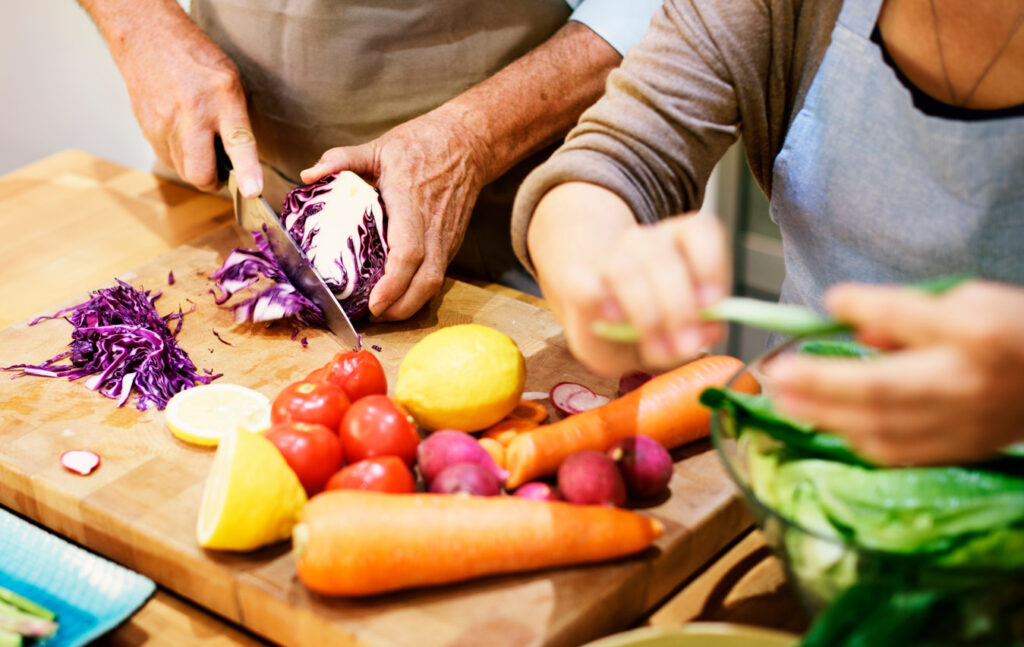
The holiday season is often filled with warmth, celebration, and cherished family traditions centered around food. For older adults, however, this time of year can also introduce new health challenges.
Rich meals, disrupted routines, and increased social gatherings can make it difficult to maintain consistent habits.
For seniors managing conditions such as diabetes, hypertension, or heart disease, even small dietary changes can have measurable effects. Extra sodium can elevate blood pressure, while additional sugars may destabilize glucose levels.
Rather than framing the holidays as a time of restriction, healthcare providers in Fort Lauderdale can help patients find balance, allowing celebration and health to coexist.
Why Holiday Nutrition Can Be More Complex for Seniors
Older adults often face unique nutritional hurdles that can complicate healthy eating. Changes in appetite, reduced metabolism, dental concerns, medication side effects, and altered taste perception can all influence food choices. During the holidays, traditional meals frequently add increased amounts of salt, fat, and sugar, compounding these challenges.
Social pressures may also play a role. Family members may encourage second helpings or insist on indulgence in the spirit of celebration.
At the same time, seniors benefit from diets rich in fiber, calcium, vitamin D, and potassium while limiting sodium and added sugars. Achieving this balance can feel especially difficult when traditional holiday dishes have been part of family celebrations for decades.
Food also carries deep emotional meaning. It connects people to memories, heritage, and loved ones. Asking seniors to eliminate cherished dishes can feel like asking them to give up a part of their identity. For this reason, empathy should guide every conversation about holiday nutrition.
Emphasizing Balance Over Restriction
Rigid dietary rules rarely succeed in the long term. When individuals eliminate all indulgences, they often compensate later, which can disrupt health goals. Shifting the conversation toward moderation encourages sustainable habits.
Providers can suggest practical visual strategies, such as filling half the plate with vegetables, one quarter with lean protein, and the remaining quarter with whole grains or starches. Smaller portions of rich foods allow patients to enjoy traditional flavors without overindulging.
The objective is not to remove enjoyment from meals, but to prevent holiday eating from becoming a setback.
Preserving Tradition While Improving Nutrition
Holiday recipes often hold cultural and emotional significance. Most patients prefer adapting these dishes rather than replacing them entirely and that approach can support both health and satisfaction.
Simple adjustments can make traditional meals more nutritious:
- Replace butter or lard with olive oil for roasting or sautéing
- Use low-fat milk or Greek yogurt instead of heavy cream
- Enhance flavor with herbs, garlic, or citrus rather than excess salt
- Choose sparkling water infused with fruit instead of sugary drinks
These small substitutions preserve familiar flavors while improving nutritional value. Portion awareness and recipe adjustments can significantly benefit older adults without sacrificing tradition.
Recognizing the Emotional Influences on Eating
The holiday season brings joy for many, but it can also highlight loneliness or loss. Some seniors celebrate surrounded by loved ones, while others spend the season alone.
Emotional eating may become a coping mechanism when connection is missing.
Open-ended conversations can help providers better understand a patient’s relationship with food and the holidays:
- What do you enjoy most about this time of year?
- Who do you usually celebrate with?
- Which foods hold special memories for you?
These questions promote understanding rather than judgment. When loneliness, grief, or stress contribute to unhealthy habits, care teams can coordinate additional support through behavioral health resources or community programs.
A Practical Example of Collaborative Nutrition
One primary care clinician described working with a 72-year-old patient with diabetes who eagerly anticipated her family’s sweet potato casserole each year. Instead of recommending she avoid the dish, the provider collaborated with her to modify the recipe.
They reduced the added sugar, used cinnamon for warmth and flavor, and allowed the natural sweetness of roasted potatoes to stand out.
At her next appointment, the patient reported enjoying the dish just as much and her glucose readings remained stable. This small adjustment transformed a potential setback into a positive outcome, demonstrating the value of collaboration and flexibility.
Practical Strategies for Healthier Holiday Eating
Simple planning can help seniors maintain balance throughout the season:
- Begin nutrition discussions before holiday gatherings begin
- Encourage recipe adaptations rather than eliminating favorite foods
- Use visual portion guides like the plate method
- Reinforce hydration, as thirst sensation often decreases with age
Follow-up visits after the holidays can help reinforce positive habits and identify areas needing additional support.
Why Seasonal Nutrition Support Matters
Maintaining consistency in eating habits during the holidays is a form of preventive care. Stable nutrition supports better blood pressure control, balanced glucose levels, and steady energy, helping reduce avoidable emergency visits during and after the season.
When providers approach nutrition with cultural sensitivity and compassion, patients feel supported rather than judged. These small, relationship-centered conversations strengthen trust and contribute to improved long-term outcomes.
Supporting Seniors Through a Healthier Holiday Season
The holidays should remain a time of joy, not anxiety. By helping seniors make thoughtful choices that honor both tradition and health goals, our primary care teams in Miami can ensure patients enjoy the season while protecting their wellbeing.
This whole-person approach reflects the principles of preventive, value-based care, where health, culture, and compassion intersect to support better living. Through guidance, collaboration, and understanding, care teams can help seniors experience more good days during the holidays and throughout the year.