Protecting Mobility in Later Life: A Preventive Approach to Bone and Joint Health
Bone and joint health often doesn’t get attention until something goes wrong, a fracture, persistent pain, or a sudden loss of mobility. But by the time these issues appear, the opportunity for prevention has often already narrowed.
A more effective strategy is to treat musculoskeletal health in Miramar as a core pillar of senior care, not a secondary concern. When addressed early and consistently, it plays a crucial role in helping older adults maintain independence, reduce pain, and continue living on their own terms.
Why Mobility Is the Foundation of Independence
The ability to move freely affects nearly every aspect of daily life, from getting out of bed to preparing meals or socializing. When mobility declines, so does autonomy.
Bone density loss, joint stiffness, and muscle weakness are often associated with aging, but they are not entirely inevitable. Without targeted intervention, however, they can lead to:
- Increased fall risk
- Reduced ability to perform daily activities
- Higher likelihood of hospitalization or long-term care
In this sense, musculoskeletal health is not just about confort, it is directly tied to quality of life and long-term independence.
The Cost of Waiting Too Long
A reactive approach to bone and joint issues tends to focus on treatment after a problem becomes severe. For example, a hip fracture or advanced arthritis often triggers medical attention, but at that stage, recovery is more difficult and outcomes are less predictable.
Preventive care flips this timeline. Instead of waiting for injury or decline, it emphasizes:
- Early identification of risk factors
- Ongoing monitoring of physical function
- Timely intervention before deterioration accelerates
This shift is critical because once mobility is significantly impaired, restoring it fully can be challenging. Prevention, in many cases, is far more effective than rehabilitation.
Building Strength Through Everyday Habits
One of the most powerful tools in preserving bone and joint health is consistency, not intensity.
Rather than focusing on demanding exercise routines, seniors benefit more from regular, manageable activity. Small daily efforts compound over time and help maintain:
- Muscle strength
- Joint flexibility
- Balance and coordination
Health experts often recommend combining aerobic activity, strength training, and balance exercises to reduce fall risk and improve overall function.
Equally important is framing progress in realistic terms. Improvements like walking a little farther, experiencing less stiffness, or completing daily tasks more easily are meaningful indicators of success, not just numbers on a scale or test results.
Aligning Care With Personal Goals
A key part of effective prevention is making it relevant to the individual.
Instead of focusing solely on clinical targets, healthcare providers can connect musculoskeletal health to what matters most to the patient:
- Gardening without discomfort
- Traveling independently
- Playing with grandchildren
- Remaining in their own home
When care plans are tied to personal goals, patients are more likely to stay engaged and motivated. This transforms prevention from an abstract concept into something tangible and meaningful.
Making Bone and Joint Health Part of Routine Care
Despite its importance, musculoskeletal health is often overlooked during standard medical visits. Integrating it into routine care doesn’t require major changes, just intentional adjustments.
Simple strategies include:
- Incorporating mobility and balance assessments into checkups
- Discussing fall prevention during regular visits
- Monitoring for early signs of joint pain or reduced function
- Recommending bone density screenings when appropriate
Over time, these small additions can create a systematic approach to prevention, rather than relying on patients to report problems after they arise.
The Role of Team-Based Support
Maintaining bone and joint health in Miramar is not the responsibility of a single provider. It often requires a coordinated effort that includes:
- Primary care physicians
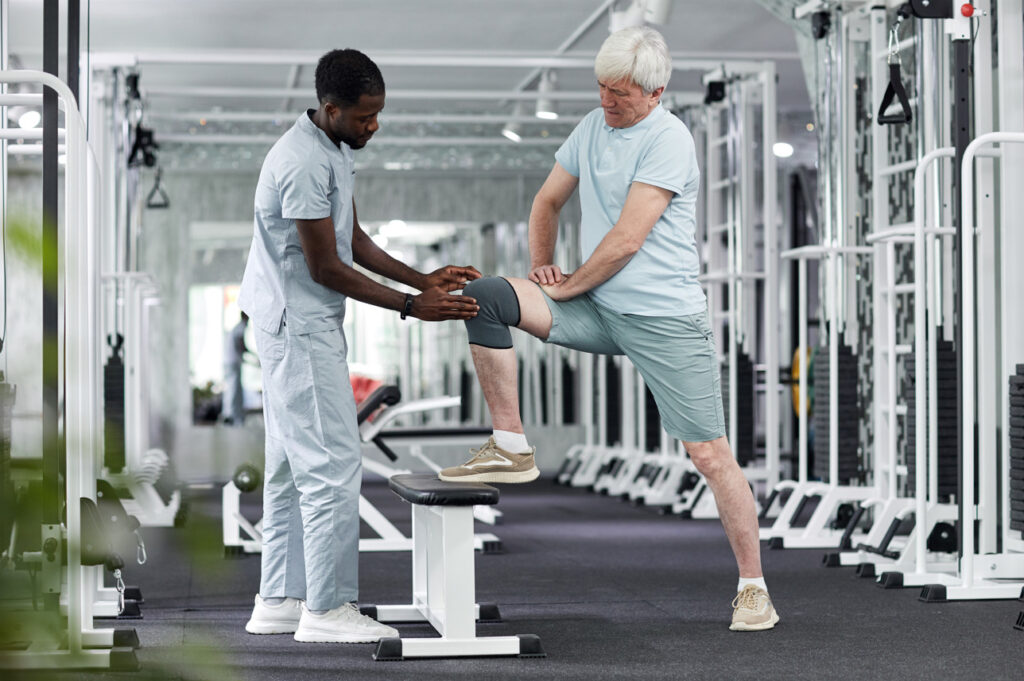
- Physical therapists
- Nutrition specialists
- Pharmacists
This collaborative approach ensures that patients receive comprehensive support, from exercise guidance to medication management and nutritional advice.
Research also shows that community-based and primary care interventions can significantly reduce pain and disability in conditions like osteoarthritis when applied consistently.
Prevention as a Long-Term Strategy
Sustainable musculoskeletal health is built over time. Short-term improvements are valuable, but lasting benefits come from maintaining healthy behaviors and consistent care.
This includes:
- Encouraging ongoing physical activity
- Supporting self-management strategies
- Reinforcing positive habits through regular follow-up
One challenge is that behavior changes, like increasing activity levels, can be difficult to sustain. That’s why continuous support and encouragement from healthcare providers play such an important role.
Redefining What It Means to Age Well
Healthy aging is often associated with managing chronic diseases, but mobility deserves equal attention. Without it, even well-managed conditions can still result in reduced quality of life.
A proactive approach to bone and joint health reframes aging as something that can be actively shaped. Instead of accepting decline as inevitable, it emphasizes:
- Early action
- Consistent care
- Personalized goals
The outcome is not just fewer injuries or less pain, but a greater ability for seniors to remain active, independent, and engaged.
Proactive Healthcare is Critical
Bone and joint health is more than a clinical concern, it is the foundation of independence in later life.
By shifting from reactive treatment to proactive prevention, healthcare providers can help seniors:
- Maintain mobility
- Reduce the risk of falls and injuries
- Preserve their ability to live independently
Ultimately, the goal isn’t just to prevent fractures or manage pain. It’s to support a lifestyle where aging does not mean giving up movement, freedom, or control.