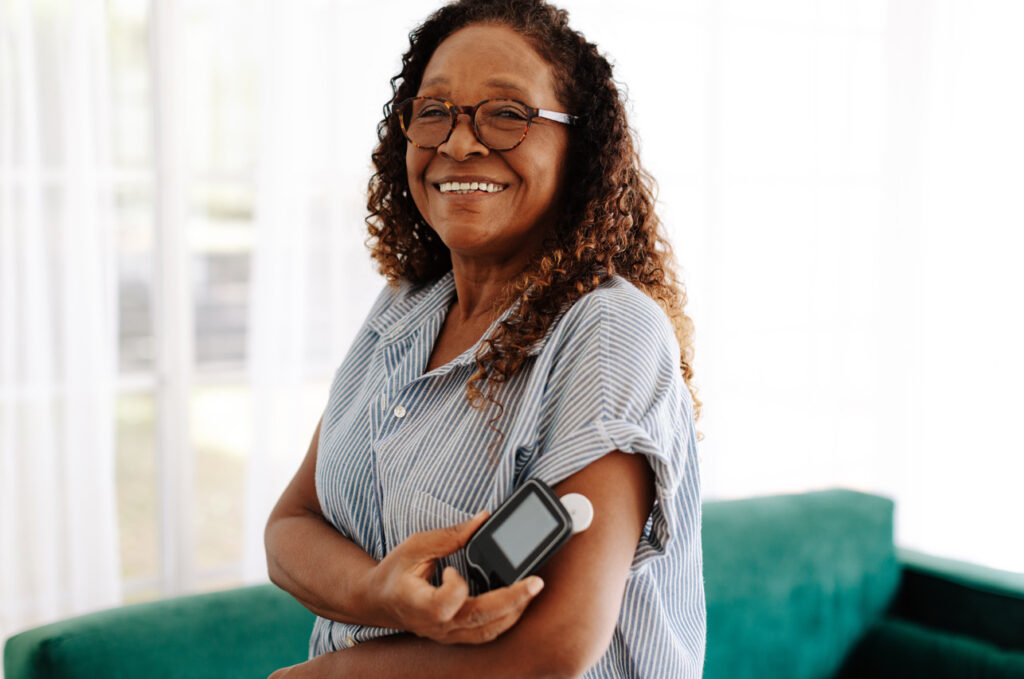
Every clinician has encountered a patient who feels exhausted by the daily demands of diabetes care. Blood glucose checks, meal planning, medications, and constant reminders can make life feel regimented and clinical. When the focus centers solely on glucose targets, it can overshadow what matters most: helping patients maintain independence, comfort, and quality of life.
Value-based primary care in West Palm Beach shifts the emphasis from disease management alone to overall wellbeing. With more time to build relationships and understand individual needs, providers can transform diabetes care from a checklist of tasks into a strategy for living well.
Looking Beyond the Lab Results
Traditional diabetes care often revolves around numbers. When A1C levels rise or glucose readings fluctuate, medication adjustments typically follow. While these changes may appear appropriate on paper, they do not always reveal the realities shaping a patient’s daily life.
Value-based care encourages providers to look deeper. Frequent visits and longer conversations help uncover the factors behind the numbers – a missed meal, confusion about dosing, medication costs, or difficulty maintaining routines. Identifying these barriers early not only improves outcomes but also strengthens trust between patients and their care teams.
Prevention That Fits Everyday Life
Managing diabetes successfully requires consistency, teamwork, and ongoing support. Each visit should build upon the last, reinforcing prevention strategies and encouraging sustainable routines.
Effective care plans begin with what matters most to the patient. Whether the goal is staying active, cooking at home, or maintaining independence, aligning care with personal priorities helps patients build habits they can sustain over time.
Meeting Patients Where They Are
Small, achievable changes often have the greatest impact on diabetes control. Encouraging a short walk after dinner, reducing portion sizes, drinking more water, or cutting back on sugary beverages can produce meaningful improvements.
Providers and health coaches can tailor recommendations to each patient’s lifestyle, making changes realistic rather than overwhelming. When adjustments feel manageable, patients are more likely to maintain them.
Making Glucose Monitoring Meaningful
Tracking glucose levels is valuable only when patients understand what the numbers mean. Reviewing patterns together transforms monitoring from a routine task into a practical learning tool.
Regular check-ins, whether in person, by phone, or through telehealth, allow providers to identify trends early and intervene before small changes become major complications.
Treating the Whole Patient
Many seniors living with diabetes also manage additional chronic conditions. Coordinating care across these conditions helps prevent conflicting treatments and medication overload.
Proactive screening and management of related conditions such as hypertension, kidney disease, neuropathy, and cardiovascular risk are essential for preventing complications. Collaboration among pharmacists, nurses, specialists, and primary care providers reduces confusion and simplifies day-to-day care for patients.
Turning Education Into Action
Providing information alone rarely leads to lasting change. Encouragement and support help patients translate knowledge into daily habits.
Teaching in Ways That Stick
Older adults often retain information best when it is practical and easy to apply. Clear language, repetition, and visual aids can make education more effective. Reviewing a glucose log together, for example, can reinforce understanding more effectively than lengthy explanations.
Staying Connected Between Visits
Effective diabetes care relies on teamwork. Nurses follow up between appointments. Care coordinators assist with scheduling and logistics. Behavioral health professionals support emotional wellbeing. These touchpoints keep patients engaged and motivated.
Removing Barriers That Affect Health
Some of the greatest challenges in diabetes care are not medical. Transportation difficulties, limited access to nutritious food, financial strain, or social isolation can derail even the most carefully designed treatment plans.
Care teams in value-based models recognize these factors and connect patients with community resources and support services that help them stay on track.
Using Technology to Strengthen Care
Remote glucose monitoring and telehealth visits can make diabetes management more convenient and responsive. These tools save time and help providers track progress between appointments.
However, technology is most effective when patients receive clear guidance on how to use it. When introduced thoughtfully, digital tools enhance the human connection between patients and their care teams.
Redefining Success in Diabetes Care
Success in diabetes management extends beyond improved lab results. It includes how patients feel, function, and engage in daily life. Lower A1C levels matter, but so does the moment a patient reports cooking again, walking more comfortably, or feeling more like themselves.
Value-based care recognizes both clinical outcomes and quality of life. When care aligns with patient priorities, motivation strengthens and results follow.
Supporting the Teams Behind Better Care
Holistic diabetes care requires time, coordination, and collaboration. Smaller patient panels and strong communication systems allow providers to focus on prevention and meaningful relationships. With the right support, care teams can concentrate on what matters most, helping patients live healthier, more fulfilling lives.
Bringing It All Together
Helping seniors thrive with diabetes requires more than medication adjustments and glucose targets. It requires care teams who understand the daily realities older adults face and who provide the support needed to navigate them successfully.
Value-based primary care in West Palm Beach offers the time, tools, and relationships necessary to support prevention, strengthen trust, and improve quality of life. When care is consistent, personalized, and relationship-driven, seniors can manage diabetes while continuing to live well.